TruCare
Dental Billing Services

Dentistry runs on two claim systems.
We run both.

Most of your procedures are dental claims. A few are medical ones, and those are easy to miss. Our dental billing services sort that out before anything is billed, so you collect what each procedure is actually worth.
96%avg. net collection rate across TruCare clients
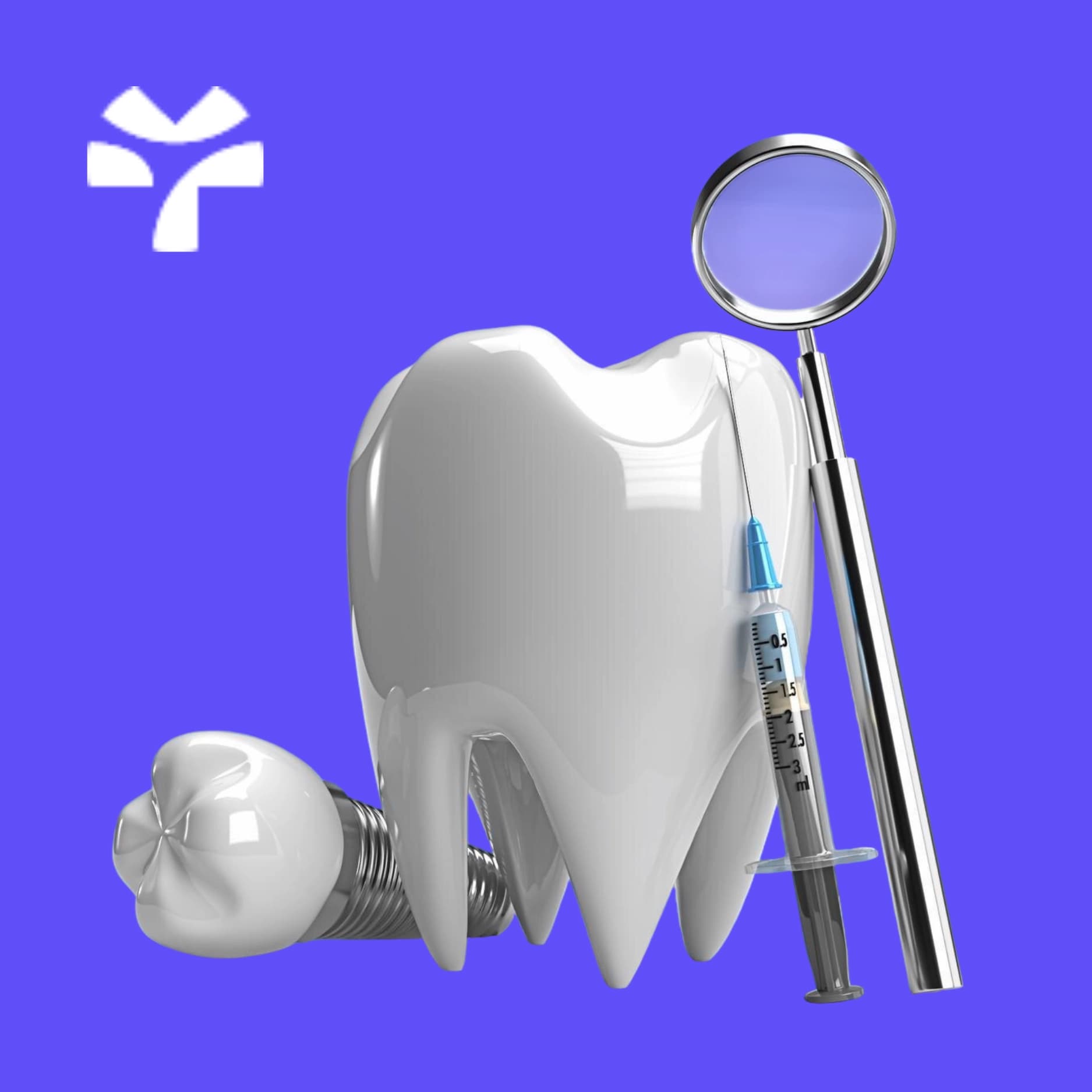
Tooth model with a dental implant, syringe and mirror, purple background
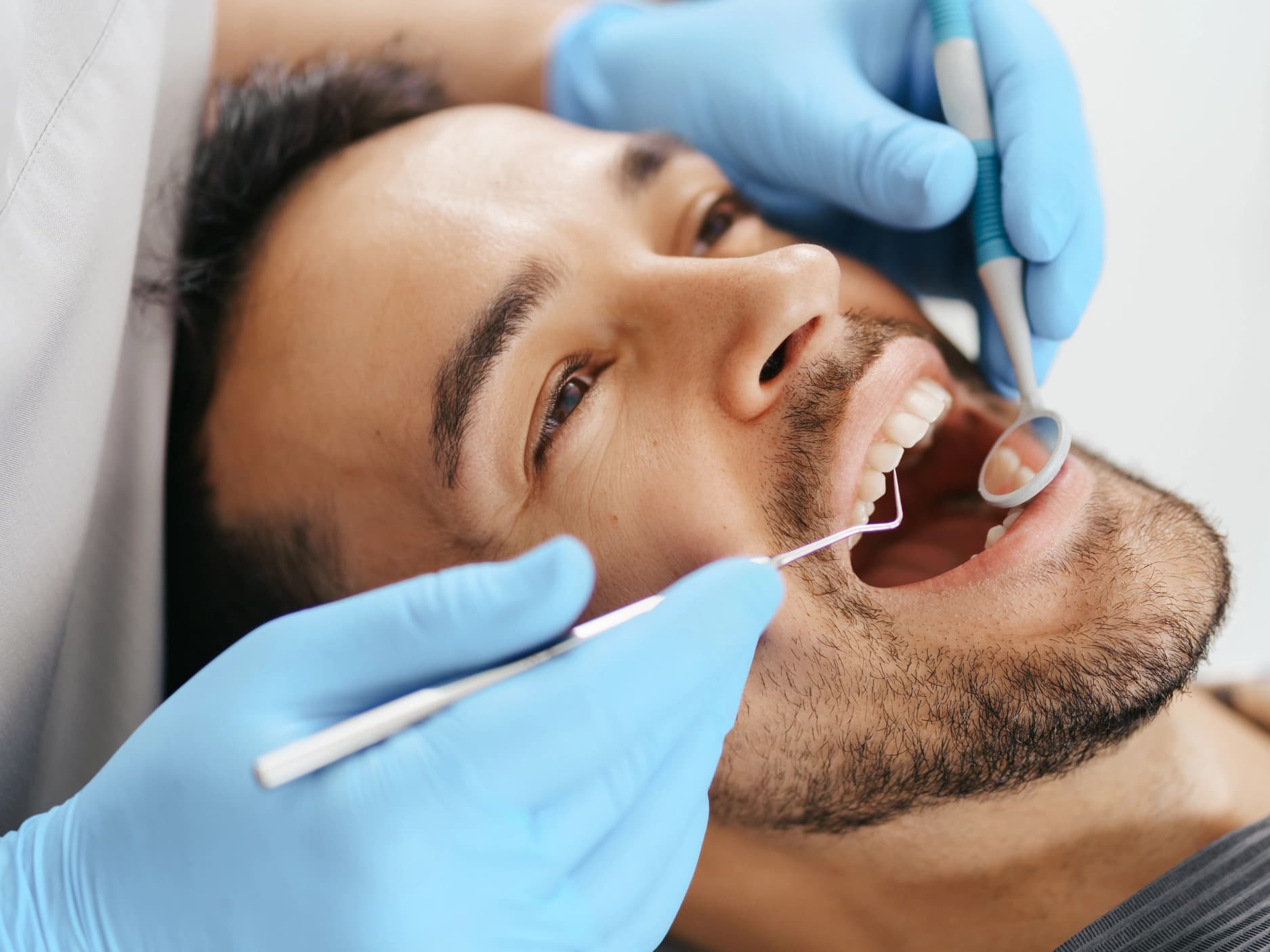
Dentist examining a man's teeth with a mirror and probe
Man in a headset talking and gesturing at his laptop
See your numbers

Results across TruCare clients

96%
average net collection rate across TruCare clients
>95%
clean claim rate, accepted on first submission
−37%
fewer claim rejections
−38%
days in A/R
Figures reflect TruCare client results across specialties, trailing twelve months.

Why dental practices choose our dental medical billing services

Rated 4.8 / 5
Based on 180+ client reviews
Verified client reviews
Oct 24, 2026
We did not know we could bill medical
We were billing sleep appliances and some oral surgery to dental only, and dental maxed out fast. They showed us which cases belong on a medical claim instead. It changed what those cases were worth.
Priscilla Anand, practice owner
2 weeks ago
Downgrades stopped surprising us
Our composite fillings kept coming back paid at the amalgam rate. Once we understood why, the predeterminations started matching what we actually collected.
Ray Oduya, office manager
Sep 11, 2026
Our ortho billing finally runs itself
Monthly ortho claims used to be a spreadsheet one person kept in their head. Now it is a schedule that runs for the whole treatment plan without anyone watching it.
Dr. Nadia Belkacem, orthodontist
Jul 30, 2026
Five locations, one set of numbers
We used to get five different answers depending on who I asked. Now collections, denials, and A/R are the same number no matter which office I am standing in.
Marcus Whitfield, DSO regional director
Jun 18, 2026
Our Medicaid claims stopped sitting
Dental Medicaid in our state has its own portal and its own rules. They learned it, and claims that used to sit for months now move.
Teresa Nwachukwu, billing manager

What we handle, claim by claim

View all services
We get your providers and your locations enrolled
TruCred files dental plan and Medicaid enrollments, and the separate medical enrollment needed for cross-coded claims. Adding a dentist, a specialist, or a new location is handled the same way, with revalidation tracked.
Dental plan enrollmentMedical enrollmentRevalidation
TruIntake
TruCred
TruRev
TruIntel
TruCare OS

Your claims do not all go to the same place.

Most specialties send every claim to one kind of payer. Dentistry does not. A filling, a cleaning, and a crown go to a dental plan. A sleep appliance for apnea, a trauma repair, or certain oral surgery can belong on a medical claim instead, with a completely different code set and a completely different form.
Get that call wrong and the claim usually does not just deny. It is often never reviewed as the thing it actually was, because it arrived in the wrong system entirely.
Dental plans add their own version of complexity on top of that. An annual maximum caps what a patient’s plan will pay in a year, no matter how necessary the next procedure is. Frequency limits restrict how often a cleaning or an X-ray is covered. Alternate benefit provisions let a plan pay for the cheaper of two acceptable treatments, whatever the dentist actually placed.
Then orthodontics changes the shape of billing entirely. One banding date starts a claim cycle that can run for years, with a down payment and a recurring schedule behind it, nothing like a single-visit procedure.
A billing company built for medical claims alone misses dentistry’s own rules. A billing company built for dental claims alone misses the medical claims sitting inside a dental chart. Dentistry needs both at once.
Six ways a dental practice loses revenue
A medical case was billed as dental only
Sleep appliances, trauma repair, and some oral surgery can be billed to medical insurance. Billed to dental alone, the claim is capped by the annual maximum instead of paid at the medical rate.

The claim was downgraded without warning
Alternate benefit provisions let a plan pay for a lesser treatment than what was done. Without a predetermination, the practice finds out after the work is finished.
The annual maximum was not checked first
A plan with little left for the year will not pay for a major procedure in full, however necessary it is. Patients are often not told until the remittance arrives.
A frequency limit was missed
Cleanings and exams are covered on a schedule. A visit booked too soon is denied, and the patient usually assumed it was covered.
Ortho billing fell out of schedule
A multi-year treatment plan needs its claims sent on schedule for the life of the plan. One missed cycle is easy to lose track of among years of claims.
Locations were billing differently
Multi-location practices where each site follows its own habits end up with different collection rates for the same procedures, and nobody can see why until someone compares them.

Rated on the platforms that matter

Google rating 4.8 out of 5Trustpilot rating 4.8 out of 5BBB accredited business, A+ rating
Ratings shown are collected from verified client reviews.
Our service offerings

Everything a dental practice bills

General and restorative dentistry
Exams, cleanings, fillings, and crowns, the core of most practices, billed with the frequency and alternate benefit rules each plan applies.
Periodontics
Scaling, root planing, and periodontal surgery, often requiring more documentation to establish the severity a plan expects before it pays.
Endodontics
Root canal therapy, billed by tooth and by the complexity of the case.
Oral and maxillofacial surgery
Extractions, implants, and procedures that frequently cross into medical billing, including trauma and reconstructive cases.
Prosthodontics and implants
Bridges, dentures, and implant-supported restorations, often with a separate claim for the surgical placement and the final restoration.
Orthodontics
Treatment plans billed over the life of the case, from the banding date through the final monthly or quarterly claim.
Pediatric dentistry
Routine and sedation-based care for children, frequently billed through Medicaid, with its own frequency and authorization rules.
Sleep and medical-dental crossover
Oral appliances for sleep apnea and other conditions with a clear medical diagnosis, billed to medical insurance with the correct CPT code and diagnosis behind it.

What working with us looks like

Billers who know both code sets
Your claims are handled by certified billers who work dental and medical claims together. They know when a procedure belongs on each, and they do not default to the easier path.
Multi-location consistency, if you need it
For groups with more than one site, every location bills to the same standard and reports into the same numbers, so performance across sites is comparable.
Keep the practice management system you already use
We work on top of the system your practice already runs on. No migration and no second login for your front desk.

Why dental claims actually get denied

Dental denials rarely argue about whether the treatment was right. They argue about which rule applied, which plan paid, and whether the paperwork proves it.
Most are preventable before the claim is sent, which is where we focus.
Not sure what your denials are costing you?
Send us 90 days and we will show you the pattern.
Request a billing audit
Here is what we catch first:
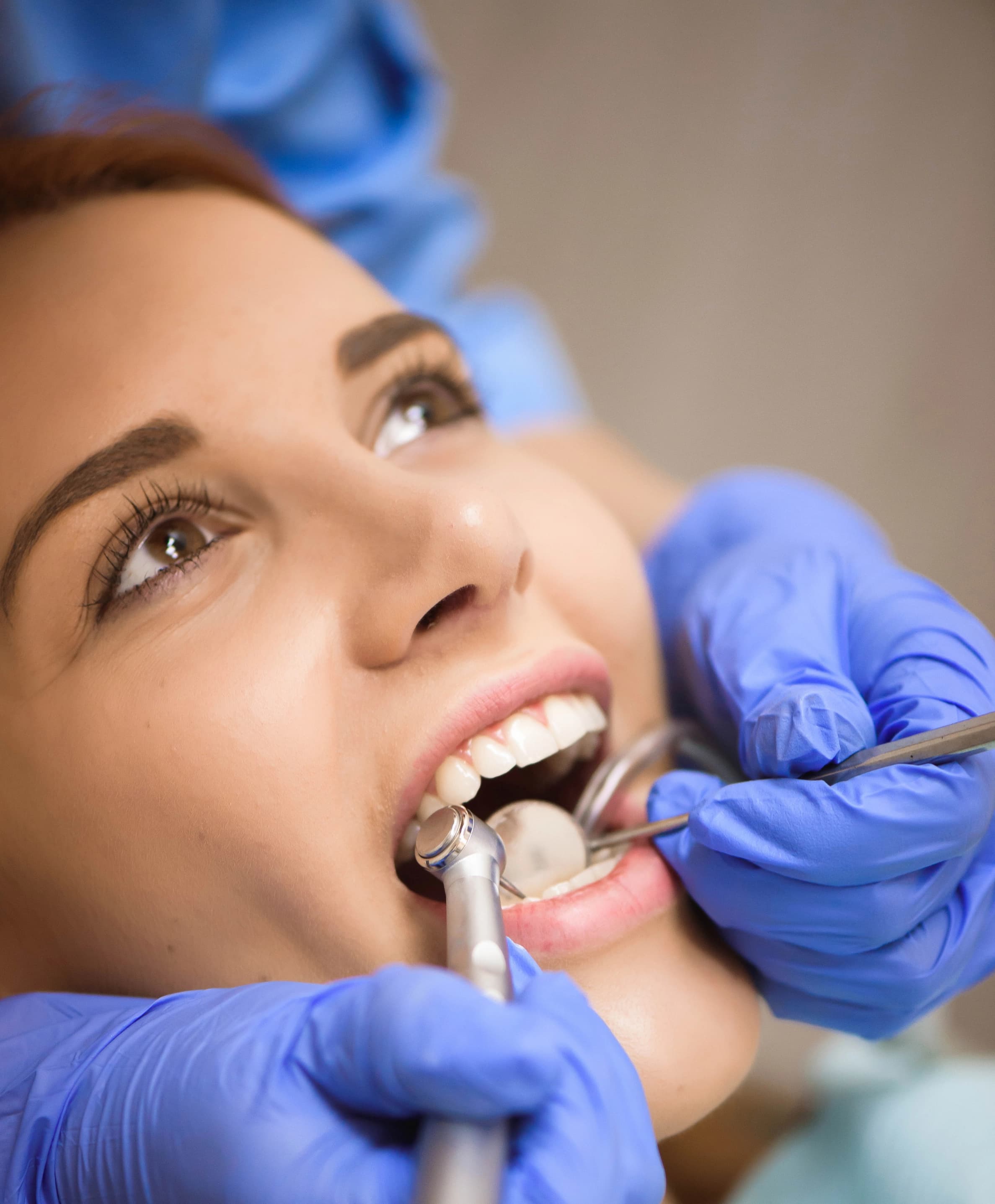
Dentist drilling a woman's tooth with a dental handpiece
A medical case billed to dental only
Sleep appliances and certain surgical cases qualify for medical billing. Sent to dental alone, they are paid at a fraction of what the medical claim would support.
No predetermination before a major procedure
Without one, a crown or a bridge can be downgraded under an alternate benefit provision, and the patient and the practice both learn about it late.
Frequency limit exceeded
A cleaning or an exam booked before the plan allows it is denied automatically, however appropriate the visit was.
Missing narrative or attachment
Certain procedures require a narrative, a radiograph, or both before a plan will consider them. Submitted without, the claim is returned rather than reviewed.
Ortho claim sent off schedule
A recurring treatment plan needs its claims sent on the agreed cycle. A missed or mistimed claim can be denied for falling outside the plan’s terms.
Diagnosis does not support a medical claim
A cross-coded claim needs a medical diagnosis that justifies the procedure under the medical plan’s rules, not just a clinical note written for dental purposes.

The code sets your claims run on

Our dental billing and coding services run on two separate code sets, which is the single hardest thing about this specialty to get consistently right. Our coders work both every day and know which claim each procedure belongs on.
Walk through your coding with us
The ones that matter most:
CDT codes
The dental claim
The D-code set covers nearly everything a dental plan pays for, from an exam to a crown, submitted on the standard dental claim form. The set updates every January, and a code valid last year can be denied outright on this year’s date of service.

We work in the system your front desk already uses

Your charting, your scheduling, and your treatment plans stay exactly where they are. Whether your practice runs on Dentrix, Eaglesoft, or Open Dental, we pull from the system you already use, so procedure codes and documentation reach billing without anyone retyping them.

The value shows up in what it catches rather than what it replaces. A procedure heading toward dental billing when it actually qualifies for medical. A major treatment with no predetermination behind it. An ortho claim coming up on its next cycle. A frequency limit about to be crossed. Each one gets flagged while there is still time to act on it, not after the remittance explains it.
Check for your system
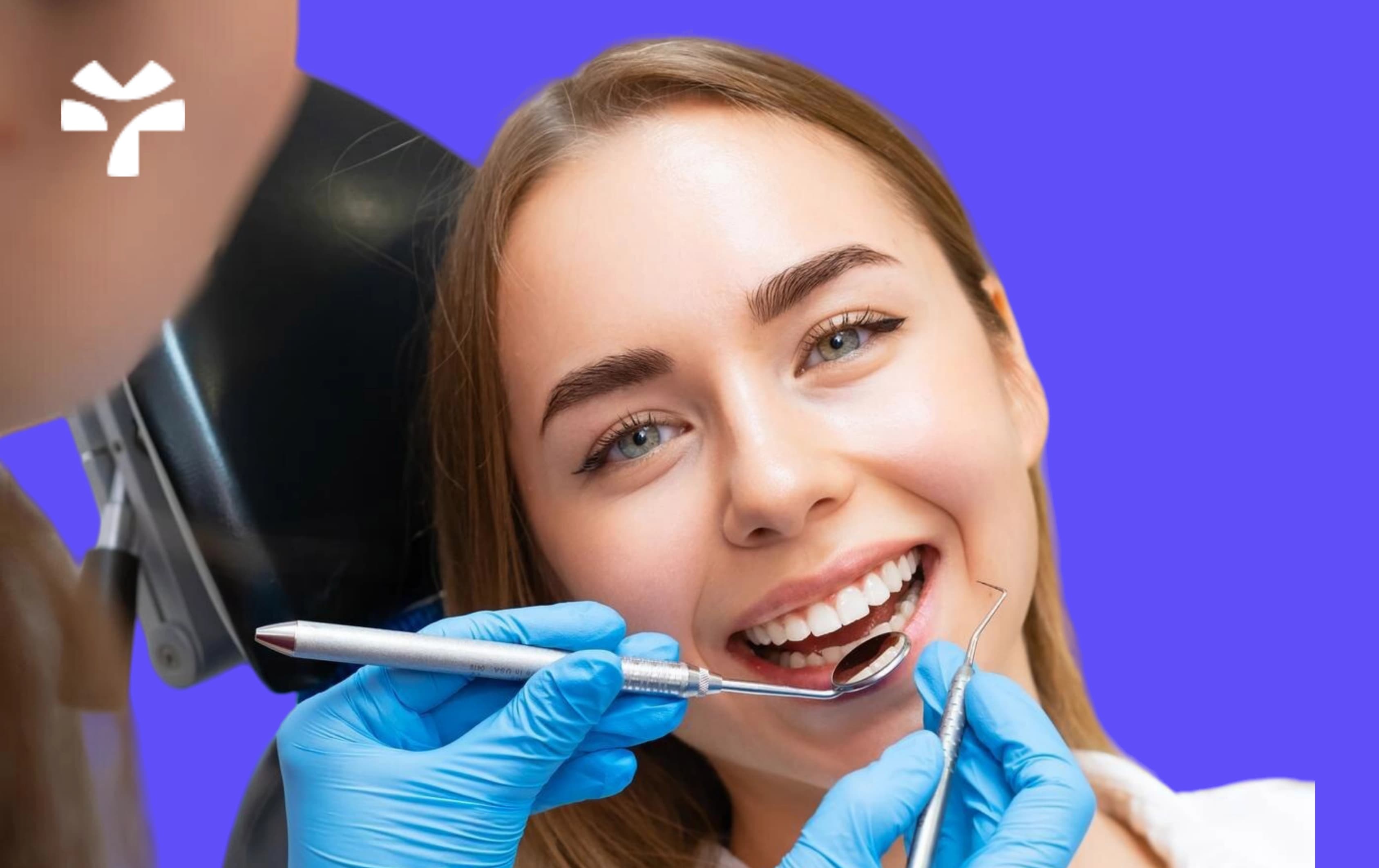
Smiling woman at a dental check-up, purple background

Deep integrations with all EHRs

TruCare connects seamlessly with your existing workflows — no switching required.

Epic
MEDITECH
Cerner
athenahealth
EXPERITY
eClinicalWorks
AdvancedMD
Kareo
WebPT
Axxess
inSync
Epic
MEDITECH
Cerner
athenahealth
EXPERITY
eClinicalWorks
AdvancedMD
Kareo
WebPT
Axxess
inSync
Epic
MEDITECH
Cerner
athenahealth
EXPERITY
eClinicalWorks
AdvancedMD
Kareo
WebPT
Axxess
inSync
Clinicient
Altera Digital Health
Cerbo
hellonote
Jane
Nexus Clinical
drchrono
HealthCare Synergy
Office Ally
Elation
Lightning Step
Clinicient
Altera Digital Health
Cerbo
hellonote
Jane
Nexus Clinical
drchrono
HealthCare Synergy
Office Ally
Elation
Lightning Step
Clinicient
Altera Digital Health
Cerbo
hellonote
Jane
Nexus Clinical
drchrono
HealthCare Synergy
Office Ally
Elation
Lightning Step

What changed for dentistry in 2026

The dental code set saw 60 changes
CDT 2026 added 31 new codes, revised 14, deleted 6, and clarified 9 others, effective January 1. A code valid on a 2025 date of service can be an automatic denial on a 2026 one.
Anesthesia and sedation reporting got more specific
New and revised codes separate nitrous oxide, deep sedation, and advanced airway management by time and route, rather than grouping them loosely as before.
Implant maintenance got its own codes
New codes cover cleaning and reinserting full-arch implant-supported prosthetics, and removing indirect restorations on implants, procedures that previously had no precise match in the code set.
Medical cross-coding kept expanding
More payers are accepting cross-coded claims for sleep apnea appliances and surgical cases, but each one still requires a specific diagnosis and the correct medical code, not a dental code resubmitted to a medical payer.
Payer scrutiny increased alongside the new codes
Plans are applying closer review to whether a code matches the documented severity of a case, which raises the bar on narratives and attachments for borderline procedures.

How we keep the rules straight for you

Someone has to track two annual code updates, a cross-coding decision on every borderline case, and each plan’s own rules. That is part of what you are paying us for.

When a code is deleted or a payer tightens its documentation standard, it goes into our claim checks before your next claim goes out.
We also read every remittance against your contract. If a payment comes in lower than it should, we raise it instead of absorbing it.
In-house vs. outsourced

Can one person run two code sets?

An in-house biller knows your patients and your providers. A dental practice also asks that person to know when a case is medical instead of dental, track a multi-year ortho schedule, and watch every plan’s own rules. Outsourcing dental billing services brings people who do all of that across many practices. Whether one desk can hold it is the honest question.
The questionOne in-house billerTruCare
Medical vs. dental routingDental by defaultDecided case by case, correctly
PredeterminationsSkipped on busy daysFiled before major procedures
Annual maximums and frequency limitsChecked after a denialChecked before the appointment
Ortho billing cyclesTracked by memoryScheduled for the life of the plan
Multi-location consistencyEach site does its own thingOne standard, one set of numbers
Medicaid dentalLearned the hard way, state by stateHandled with the state’s own rules
Code updatesNoticed when a claim deniesLoaded before the first claim of the year
Cost shapeSalary, benefits, training, softwareA percentage of collections, so it moves with volume
Absence and turnoverBilling stalls for weeksStaffing the desk is on us
What the owner seesA report built on requestRevenue by claim type and location, live
Compare against your numbersWant to see where your practice stands? Send us 90 days of denials and aging A/R.
Hover a state to see coverage
Where we serve

Dental billing in every state

As a dental billing company, we work with solo practices, multi-location DSOs, oral surgery and specialty practices, and orthodontic offices running multi-year treatment plans. Dental Medicaid benefits for adults vary sharply by state, and children’s dental coverage follows its own federal rules, so we handle each state and each plan on its own terms.
Medical cross-coding
Orthodontic billing cycles
Multi-location reporting
Predetermination management
Medicaid dental
A named account contact
Who we bill every day
Dental PPO and HMO plans
Annual maximums, frequency limits, and alternate benefit rules
Delta Dental and other major carriers
Plan-specific predetermination and documentation requirements
Medicaid dental
Coverage that varies by state, especially for adult benefits, routed through each state’s dental plan
CHIP
Pediatric dental coverage under its own federal framework
Medical insurance
For cross-coded procedures with a supporting medical diagnosis
Other
Self-pay and in-house payment plans
We bill whatever plans your practice is contracted with. If you are not contracted yet, TruCred handles the enrollment.

Dental billing saver guide

A practice collecting $1.15 million saves up to $44,425 a year by outsourcing to TruCare
In-house billingWith TruCareAnnual saving
Dedicated billing staff$73,060$0$73,060
Billing software and clearinghouseVariesIncluded—
Training, turnover, and coverageVariesIncluded—
TruCare fee (from 2.49% of collections)—$28,635—
Total annual cost$73,060$28,635$44,425
Example: a practice collecting $1.15 million a year with one full-time biller, at TruCare’s starting rate of 2.49%. Biller cost uses the BLS May 2025 median wage for medical records specialists ($51,140), with benefits at 30% of total compensation. Software and training costs vary by practice and are not counted. We do not replace your front desk, we take the claims work off it. Larger groups are quoted on volume rather than at the starting rate, so a bigger practice should not scale this example up.
Want this run on your own numbers?
Talk to a dental billing expert

What practices find once someone actually looks

“We had a handful of sleep appliance cases every year that we billed to dental because that is what we had always done. Someone finally asked why those were not going to medical. That one change was worth more than I expected, and it made me wonder what else we had been doing out of habit.”
Dr. Nadia Belkacem
Orthodontist, multi-location practice

We use cookies to understand how visitors use our site and to improve your experience. You can accept or decline analytics cookies. See our Privacy Policy for details.