TruCare
Podiatry Billing Company

Podiatry Billing Services
for USA Practices

Most specialties assume a reasonable service gets paid. Podiatry does not work that way. Certain routine services are excluded by default, and only specific documented findings can override that. Our podiatry billing services make sure that documentation exists on every claim that depends on it.
96%avg. net collection rate across TruCare clients
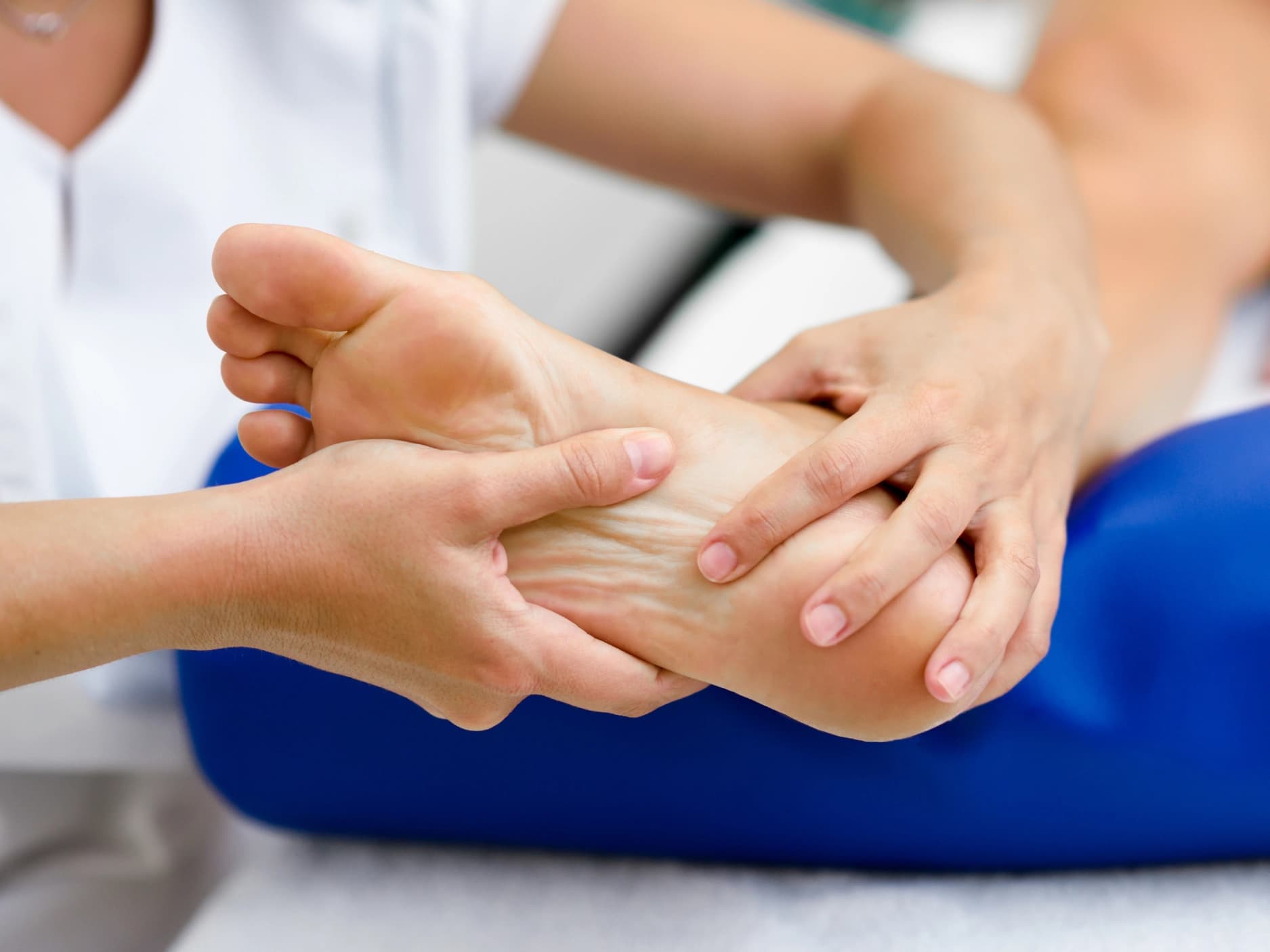
Hands massaging the sole of a foot
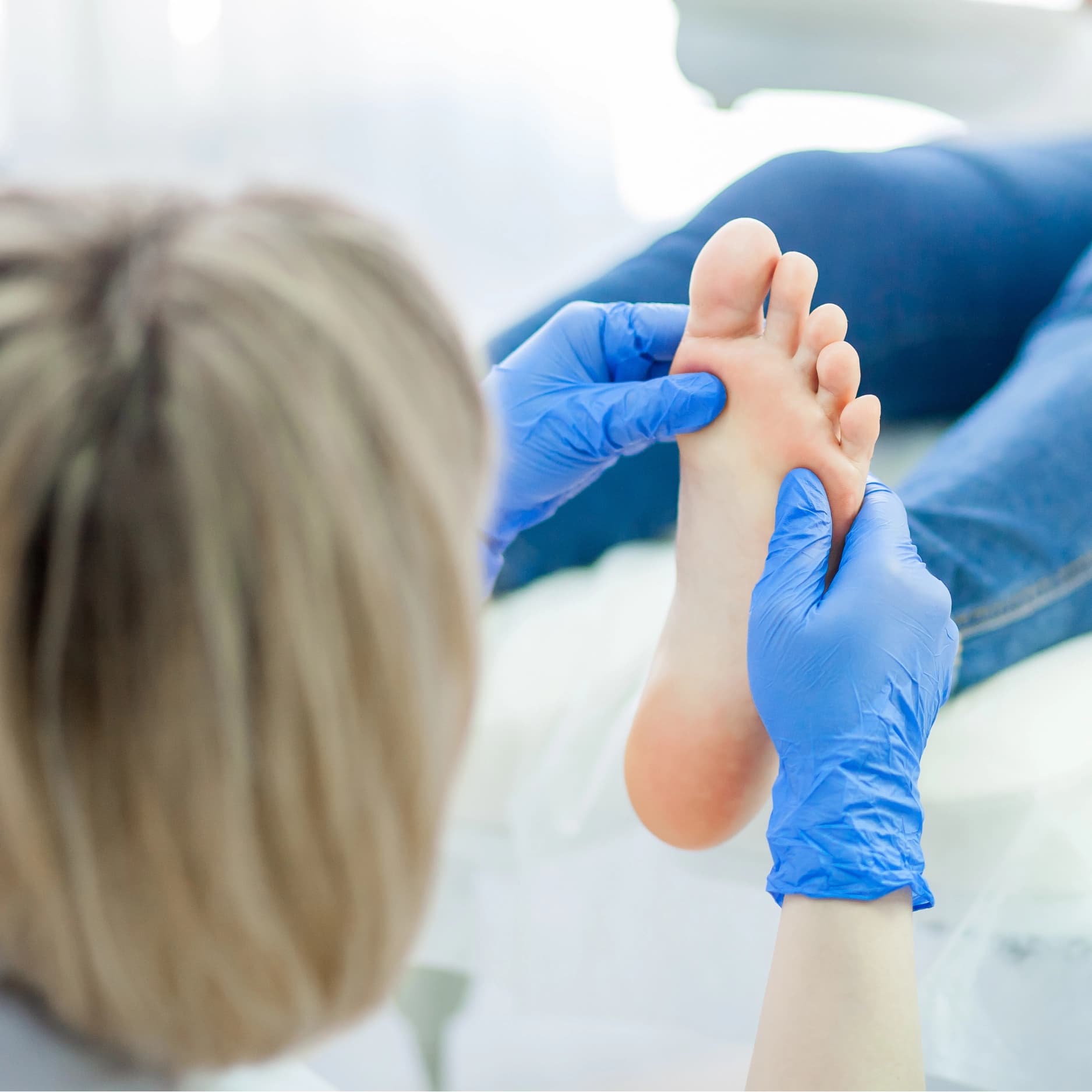
Gloved hands examining a patient’s foot
Woman gesturing while talking at a laptop
Book a demo

Results across TruCare clients

96%
average net collection rate across TruCare clients
>95%
clean claim rate, accepted on first submission
−37%
fewer claim rejections
−38%
days in A/R
Figures reflect TruCare client results across specialties, trailing twelve months.

Why podiatry practices choose our podiatry medical billing services

Rated 4.8 / 5
Based on 180+ client reviews
Verified client reviews
Nov 05, 2027
We were missing the modifier on every diabetic patient
We documented the diabetes but never connected it to the specific exam findings Medicare wants to see. Every one of those claims was denied the same way.
Dr. Okonkwo Adeyemi, DPM
3 weeks ago
Our therapeutic shoe claims finally go through
We did not realize this benefit needed its own separate physician statement, distinct from a normal prescription.
Marisol Achterberg, practice administrator
Sep 19, 2027
The 60-day rule stopped catching us
We were scheduling routine care closer together than the frequency limit allowed, and the second visit denied every time.
Dr. Priscilla Nwosu, DPM
Jul 30, 2027
Our surgical and routine claims finally run on separate logic
We used to apply the same documentation habits to a bunionectomy and a nail trim, and neither one was coded the way it actually needed to be.
Reginald Oyelaran, billing manager
Jun 11, 2027
One view across a practice that does more than foot care
Routine care, diabetic exams, and surgery, all on one screen instead of three separate tracking habits.
Harriet Fontaine, office manager

What we handle, routine care to surgery

View all services
We get your podiatrists enrolled
TruCred files Medicare, Medicaid, and commercial enrollments and keeps your records current. Revalidation dates are tracked so nothing lapses.
Provider enrollmentPECOS upkeepRevalidation
TruIntake
TruCred
TruRev
TruIntel
TruCare OS

Podiatry requires proof before it pays.

Most specialties start from the assumption that a medically reasonable service is covered. Podiatry runs the opposite way for one of its most common services. Trimming a nail or paring a callus is, by statute, not something Medicare pays for, full stop, unless a specific and narrow exception applies.
That exception is not satisfied by a diagnosis alone. A patient can have diabetes documented in their chart for years and still have a routine nail trim denied, because the claim also has to show the specific physical exam findings, evidence of vascular or neurological impairment, that actually establish the patient is at risk from self-care, not simply that they have a chronic condition in general. The modifier on the claim exists specifically to tell Medicare which combination of findings was documented.
Layered on top of that exclusion is a frequency limit on how often covered routine care can even be billed, a separate and distinctly structured benefit for therapeutic shoes, and a surgical side of the practice that runs on entirely different rules from either of those.
A billing company that treats a podiatry visit like a standard office visit will document the diagnosis and still lose the claim, because the diagnosis was never the thing standing between the practice and payment.
Six places podiatry revenue goes missing
The qualifying diagnosis was documented without the exam findings
A diagnosis like diabetes is necessary but not sufficient. Without the specific class findings tied to it, routine foot care still reads as excluded.
The Q modifier did not match what was actually documented
The modifier has to reflect the specific combination of findings in the note. A mismatch between the two is a straightforward, avoidable denial.
Routine care was billed inside the frequency window
Covered routine foot care has a minimum interval between visits, and billing too soon denies the second claim regardless of medical necessity.
Therapeutic shoes were billed like standard DME
This benefit requires its own certifying physician statement, and treating it like an ordinary durable medical equipment claim misses that requirement entirely.
A bilateral procedure was billed as if it were one-sided
Many podiatric procedures are performed on both feet, and billing them as a single-side service undercollects for work that was actually done twice.
Surgical and routine documentation habits were mixed
A bunionectomy and a nail trim run on completely different coding logic, and applying one’s habits to the other produces claims that do not match either standard.

Rated on the platforms that matter

Google rating 4.8 out of 5Trustpilot rating 4.8 out of 5BBB accredited business, A+ rating
Ratings shown are collected from verified client reviews.
Our service offerings

Every part of a podiatry practice

Routine foot care under the Medicare exception
Nail trimming and debridement, and lesion paring, billed only when the qualifying systemic condition and class findings actually support the exception to the statutory exclusion.
Diabetic foot exams
Initial and follow-up exams for loss of protective sensation, billed under their own frequency limits and never bundled with a same-day standard office visit.
Nail and skin procedures beyond routine care
Covered nail and lesion procedures that fall outside the routine care exclusion entirely, billed under their own medical necessity standard.
Therapeutic shoes, briefly
A distinct annual Medicare benefit requiring its own certifying physician statement, tracked separately from standard footwear or orthotic billing.
Surgical podiatry, briefly
Bunionectomy, hammertoe correction, and related procedures billed under standard surgical coding and global period rules, entirely separate from routine foot care logic.
Diabetic wound care, briefly
Wound assessment and treatment for diabetic foot complications, coordinated with broader wound care billing where applicable.
Biomechanical and gait-related care
Evaluation and treatment of foot and ankle conditions affecting mobility, billed under standard medical necessity documentation.
Orthotics
Custom foot orthotic devices, billed under their own specific coverage criteria, which differ meaningfully from a routine foot care claim.

What actually makes this work

Billers who build the exception, not just cite the diagnosis
Certified billers on your account connect the systemic condition to the specific exam findings that actually support coverage, rather than assuming the diagnosis alone is enough.
Frequency limits tracked against the calendar, not memory
We watch the interval between covered routine visits so a claim is never denied for timing that could have been avoided.
No disruption to how your practice already runs
We work from the system your practice already uses. Nobody learns a second one.

What actually causes podiatry claims to fail

A podiatry denial is rarely about whether the care was reasonable. It is almost always about whether the specific exception to a statutory exclusion was actually documented and coded to match.
Here is what we see most, and how each is caught before it becomes routine.
Curious what your denials are actually costing you?
Send us 90 days and we will show you the pattern.
Request a billing audit
The recurring six:
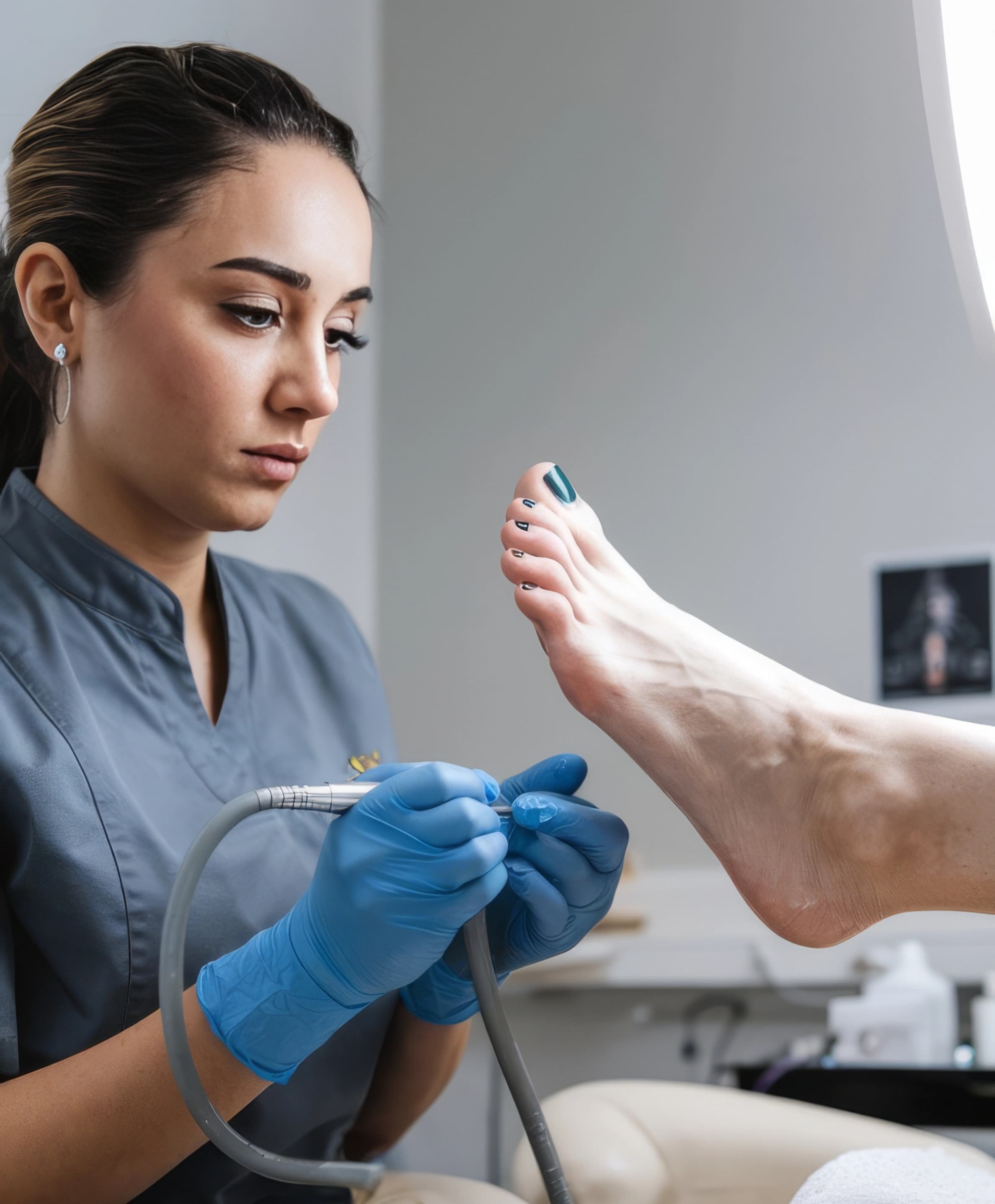
Doctor using a nail drill on a patient’s toenail
Missing or mismatched Q modifier
A routine foot care claim without the modifier matching its documented findings is denied as non-covered, the single most common denial pattern in this specialty.
Qualifying diagnosis with no supporting exam findings
A chronic condition alone does not establish the exception. The specific physical findings have to be in the note.
Frequency limit violated
Billing covered routine care before the allowed interval has passed denies the claim regardless of medical necessity.
Therapeutic shoe claim missing its certifying statement
This benefit’s documentation requirement is distinct from a standard prescription, and a claim built without it does not meet the standard.
Bilateral procedure billed as unilateral
A procedure performed on both feet, billed as if it happened on one, undercollects for the actual work performed.
LOPS exam billed same-day as a standard visit
These specific diabetic foot exam codes cannot be billed alongside a routine E/M on the same date.

The codes your podiatry revenue runs on

Our podiatry billing and coding services run on a statutory exclusion and a narrow, specific exception to it. Our coders check that the exception is actually documented, not just implied, before any claim goes out.
Walk through your coding with us
The ones that matter most:
117191172011721
Nail trimming and debridement
Billed by the number of nails involved, with coverage depending entirely on whether the routine care exception applies.

We connect to the EHR you already use

A podiatry practice documents routine care, diabetic exams, and surgical procedures through its own system, and we do not ask that to change. Whether your practice runs on Epic, athenahealth, or ChartLogic, TruCare pulls from whatever platform your practice already uses.
What changes is what gets caught before it becomes a denial. A routine foot care claim about to go out with a diagnosis but no supporting exam findings. A Q modifier about to be applied that does not match the note. A visit about to be scheduled inside the frequency window. Each one surfaces while it can still be corrected.
Check for your system
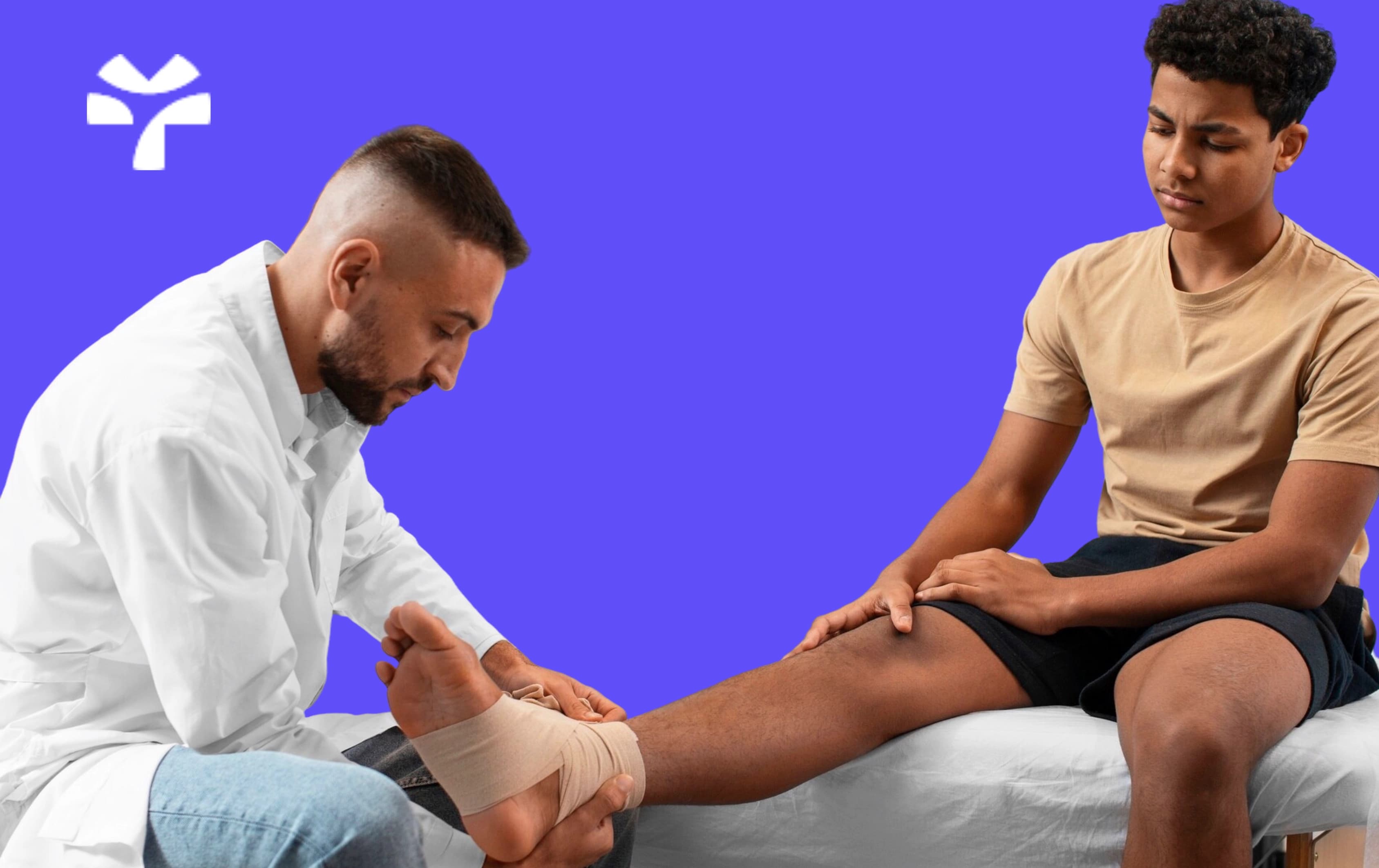
Podiatrist bandaging a patient’s ankle on an exam table

Deep integrations with all EHRs

TruCare connects seamlessly with your existing workflows — no switching required.

Epic
MEDITECH
Cerner
athenahealth
EXPERITY
eClinicalWorks
AdvancedMD
Kareo
WebPT
Axxess
inSync
Epic
MEDITECH
Cerner
athenahealth
EXPERITY
eClinicalWorks
AdvancedMD
Kareo
WebPT
Axxess
inSync
Epic
MEDITECH
Cerner
athenahealth
EXPERITY
eClinicalWorks
AdvancedMD
Kareo
WebPT
Axxess
inSync
Clinicient
Altera Digital Health
Cerbo
hellonote
Jane
Nexus Clinical
drchrono
HealthCare Synergy
Office Ally
Elation
Lightning Step
Clinicient
Altera Digital Health
Cerbo
hellonote
Jane
Nexus Clinical
drchrono
HealthCare Synergy
Office Ally
Elation
Lightning Step
Clinicient
Altera Digital Health
Cerbo
hellonote
Jane
Nexus Clinical
drchrono
HealthCare Synergy
Office Ally
Elation
Lightning Step

What has stayed consistent, and why it still causes denials

The routine foot care exclusion remains unchanged
Medicare’s statutory exclusion of routine foot care, and the narrow exception for documented systemic risk, continues to govern this category exactly as it has for years.
Missing modifier documentation remains the leading denial cause
Across billing guidance and practice experience alike, a Q modifier that does not match documented class findings continues to be the single most common reason routine foot care claims fail.
The 60-day frequency limit continues to be a scheduling trap
Covered routine visits scheduled too close together continue to produce avoidable denials that have nothing to do with medical necessity.
Therapeutic shoe documentation requirements remain distinct from standard DME
This benefit’s separate certifying statement requirement continues to be a common point of confusion for practices used to standard prescription workflows.

Someone has to connect the diagnosis to the specific findings every time

A diagnosis sitting in a chart does not bill itself as medically necessary. Someone has to confirm the specific findings that actually support the exception, on every applicable claim.

We check that connection before your claims go out, not after a pattern of denials explains the gap.
In-house vs. outsourced

What one biller cannot track across an exclusion this specific

A general biller can learn standard CPT coding well. Connecting a systemic diagnosis to the specific exam findings a statutory exception actually requires, tracking a frequency limit, and running surgical billing on entirely different logic from routine care is a different, more precise kind of attention. Outsourcing podiatry billing services puts people on this who check it on every claim.
The questionOne in-house billerTruCare
Q modifier selectionApplied from habitMatched to documented class findings every time
Diagnosis-to-findings connectionDiagnosis assumed sufficientSpecific findings confirmed before billing
Frequency limit trackingScheduled without checkingTracked against the calendar
Therapeutic shoe documentationTreated like standard DMEBuilt around its own certifying requirement
Surgical vs. routine codingHabits sometimes crossed overEach coded to its own distinct logic
Bilateral billingSometimes billed as one-sidedBilled to reflect both feet when both were treated
Cost shapeSalary, benefits, training, softwareA percentage of collections, so it scales with volume
Staff absenceBilling slows across the practiceCoverage is handled without disruption
Regulatory changeDiscovered through a denialTracked and built into process ahead of time
VisibilityA report assembled on requestLive, by service type and by documentation status
Compare against your numbersCurious where your practice actually stands? Send us 90 days of denials and aging A/R.
Hover a state to see coverage
Where we serve

Podiatry billing in every state

We work with solo podiatry practices, multi-provider groups, and practices offering surgical podiatry alongside routine and diabetic foot care. As a foot and ankle billing services provider, we track Medicare Administrative Contractor-specific class finding requirements alongside the standard federal exclusion, since the exact combinations supporting the exception can differ by jurisdiction.
Routine foot care exception documentation
Class findings and Q modifiers
Frequency limit tracking
Therapeutic shoe billing
Multi-state enrollment
A named account contact
Who we bill every day
Medicare Part B
The routine foot care exclusion, class findings, and the 2026 coverage landscape
Medicare Advantage
Authorization rules that differ plan by plan
Medicaid and managed Medicaid
State programs and MCO plans
BCBS and Anthem
Coverage policies that vary by plan
Centene family
Molina, WellCare, Amerigroup
Other
Self-pay and cash-based services
We bill whatever plans your practice is contracted with. If you are not contracted yet, TruCred handles the enrollment.

Podiatry billing saver guide

A practice collecting $780,000 saves up to $53,638 a year by outsourcing to TruCare
In-house billingWith TruCareAnnual saving
Dedicated billing staff$73,060$0$73,060
Billing software and clearinghouseVariesIncluded—
Training, turnover, and coverageVariesIncluded—
TruCare fee (from 2.49% of collections)—$19,422—
Total annual cost$73,060$19,422$53,638
Example: a practice collecting $780,000 a year with one full-time biller, at TruCare’s starting rate of 2.49%. Biller cost uses the BLS May 2025 median wage for medical records specialists ($51,140), with benefits at 30% of total compensation. Software and training costs vary by practice and are not counted. We do not replace your front desk, we take the claims work off it. Larger practices are quoted on volume rather than at the starting rate, so a bigger practice should not scale this example up.
Want this run on your own numbers?
Talk to a podiatry billing expert

What a practice gains once the exception is actually documented

“We had assumed for years that having diabetes in a patient’s chart was enough to justify billing their routine nail care. It took someone actually showing us the specific exam findings Medicare wants tied to that diagnosis for us to understand why so many of those claims had quietly been denied the same way, over and over.”
Dr. Okonkwo Adeyemi, DPM
Podiatry practice owner

We use cookies to understand how visitors use our site and to improve your experience. You can accept or decline analytics cookies. See our Privacy Policy for details.